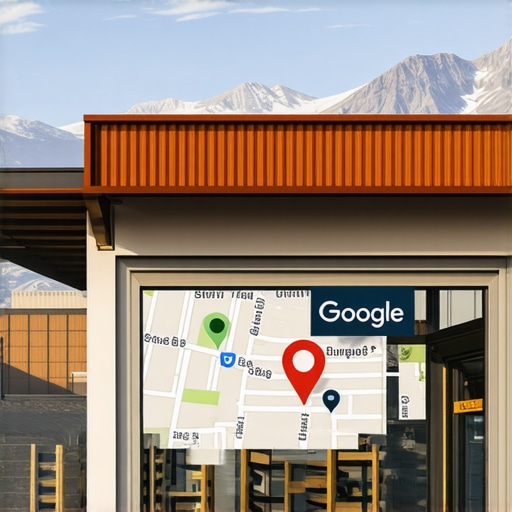
I remember the moment I realized how invisible my small business was online. It was a busy Saturday, and a loyal customer told me she couldn’t find my shop on Google Maps. That sting of embarrassment turned into a lightbulb moment. If people can’t find you where they’re searching, you might as well not exist. That was my wake-up call to dive deep into Google Maps optimization for local businesses in Nevada.
Why Local Visibility Can Make or Break Your Business
In today’s competitive market, especially here in Nevada where small businesses are the backbone of the community, your online presence needs to be sharp. When potential customers search for services or products you offer, they’re more likely to click on the top results. Studies show that over 75% of users never scroll past the first page of search results, and a significant chunk of local searches turn into actual visits or calls (source: Nevada SEO Strategies).
Early on, I made the mistake of thinking that just having a Google My Business (GMB) listing was enough. Spoiler alert: it’s not. Without proper optimization, your listing can be buried under competitors who put in the effort. The good news? With a few strategic tweaks, you can drastically improve your local rankings and get found more often by the people who matter most—your neighbors and community members.
Today, I’ll walk you through proven strategies to boost your local visibility on Google Maps. Whether you’re just starting or looking to refine your approach, these tips can help you stand out and attract more local customers. Ready to make your business impossible to ignore?
Is Google Maps Optimization Really Worth the Fuss?
When I first heard about optimizing Google Maps, I hesitated. It seemed complicated, and honestly, I was worried I’d waste time on something that might not work. I also made the mistake of thinking that all I needed was a basic listing. But I learned that small changes can lead to big results—like more calls and foot traffic. The truth is, neglecting local SEO can leave a lot of potential on the table. If you’ve ever wondered whether it’s worth the effort, I can tell you from personal experience: it absolutely is. For more detailed guidance, check out this step-by-step guide.
Claim and Verify Your Listing Without Delay
The first step I took was claiming my Google My Business (GMB) listing and verifying my ownership. This process is straightforward but crucial. I navigated to the contact page of a local SEO expert to ensure I didn’t miss any verification steps. Once verified, my business instantly gained a layer of legitimacy in Google’s eyes.
Optimize Your Business Information for Maximum Impact
Next, I filled out every detail meticulously—business name, address, phone number, website, hours, and categories. Think of this as filling out a detailed profile on a dating app; completeness boosts your chances of being noticed. Use consistent NAP (Name, Address, Phone) details across all online platforms to avoid confusion. I also uploaded high-quality photos, which significantly increased user engagement and trust. For detailed guidance on this, check the Nevada SEO Strategies.
Target the Right Keywords for Local Search
Keyword research was a game-changer. I identified terms my potential customers used, like “Nevada auto repair” or “Las Vegas bakery.” Then, I incorporated these naturally into my business description, services, and posts. It’s like speaking the language of your audience—making it easier for Google to match your listing with relevant searches. Use tools like Google Keyword Planner or insights from local competitors to refine your list.
Leverage Photos and Posts to Engage Locals
Adding fresh photos weekly kept my profile active and engaging. I posted updates about promotions or new products, which appeared directly on my GMB profile. These updates act as mini advertisements that appear when locals search nearby. Remember, active profiles often rank higher in local packs. For tips on how to do this effectively, visit the North Las Vegas Local SEO Guide.
Gather and Respond to Customer Reviews Promptly
Reviews are social proof that build trust. I encouraged satisfied customers to leave reviews and responded promptly to each one. Thanking positive reviews and addressing negative feedback publicly shows engagement and improves your reputation. Consistent review management signals to Google that your business is active and valued by the community. For effective review strategies, see the Nevada Local SEO Tips.
Monitor Your Insights and Adjust Accordingly
Finally, I regularly checked the Insights tab in GMB to see how customers found my listing—what search queries they used, where they came from, and what actions they took. This data is gold for refining your approach. If certain keywords perform better, double down on them. If a photo gets lots of views, add more similar images. Analytics help you stay ahead of the competition and adapt quickly.
Implementing these precise steps transformed my visibility and brought more local customers through the door. If you’re ready to take your Nevada business to the next level, consider consulting with local SEO experts who can tailor strategies specifically for your niche. For personalized assistance, visit this contact page.
Many small business owners in Nevada approach Google Maps optimization with a set of assumptions that can actually hinder their progress. While the basics are well-known—claiming your listing, adding accurate info, and encouraging reviews—there are subtle pitfalls that experts understand and beginners often overlook. Let’s dig deeper into what most people get wrong about local SEO for Google Maps and how to avoid these common traps.
Why Relying Solely on Keyword Stuffing Can Backfire
A prevalent misconception is that cramming your business description with keywords will boost your ranking. In reality, Google’s algorithms have evolved to prioritize user experience and relevance. Keyword stuffing can even penalize your listing, making it less visible. Instead, focus on naturally integrating keywords into your business profile and posts, aligning with what your local customers are searching for. For detailed guidance on optimizing your description without falling into this trap, check out this comprehensive SEO guide.
In addition, neglecting user intent and local context can be a costly mistake. Your description should reflect genuine value and relevance rather than just keyword density. This nuanced approach helps Google understand your business’s true niche, improving your chances of appearing in the right local searches.
Beware of Overlooking the Power of Consistent NAP Data
A common oversight is inconsistent business information across platforms. Even minor discrepancies in your Name, Address, and Phone number (NAP) can confuse Google and diminish your local rankings. Many owners update their Google My Business but forget to synchronize their data on other directories or social media. This inconsistency signals a lack of credibility, harming your local SEO efforts. To prevent this, regularly audit your NAP consistency using tools or manual checks and consider a centralized management system. For more advanced strategies, explore expert tips on local data consistency.
Duplicate listings are another hidden trap. They can split your reviews, confuse customers, and dilute your ranking signals. Regularly search for duplicates and request their removal through Google’s support channels. This ensures your prime listing maintains authority and trustworthiness.
How Many Reviews Are Enough, and What About Negative Feedback?
Many believe that accumulating hundreds of reviews instantly boosts their local ranking. While reviews are vital social proof, the quality and recency matter just as much. A steady flow of authentic reviews over time signals ongoing customer engagement. Conversely, fake or incentivized reviews can backfire, leading to penalties or diminished trust. Focus on providing excellent service and encouraging genuine reviews. Responding thoughtfully to negative feedback demonstrates professionalism and can turn critics into loyal customers. For a strategic review management plan, consult this expert resource.
Negative reviews are not the end of the world—they’re an opportunity to showcase your commitment to customer satisfaction. Address issues promptly and publicly, showing potential clients that you care about their experience. This transparency can improve your reputation and even boost your local rankings over time.
In conclusion, mastering Google Maps optimization in Nevada involves understanding the nuances that most overlook. Avoid keyword stuffing, ensure consistent NAP data, and manage reviews strategically. These advanced insights can elevate your local visibility and drive more foot traffic and calls. Want to learn more about taking your local SEO to the next level? Reach out to local SEO experts for tailored advice. Have you ever fallen into this trap? Let me know in the comments.
Keeping your Google Maps ranking high over time requires more than just initial setup; it demands consistent effort and the right tools. I personally rely on a combination of specialized software and strategic methods to ensure my local SEO remains effective and adaptive to changing algorithms. One essential tool I use is BrightLocal, which provides comprehensive local SEO auditing, review tracking, and ranking reports. It’s invaluable for identifying fluctuations in your rankings and pinpointing areas needing improvement. Additionally, I utilize Moz Local for managing my NAP data across multiple directories, ensuring consistency and avoiding duplicate listings that could undermine my authority. Regularly updating and auditing your NAP data on these platforms prevents confusion for Google and helps maintain your visibility.
For review management, I employ Reputation.com, which consolidates reviews from various sources and sends automated prompts to satisfied customers. Responding to reviews promptly and thoughtfully is crucial, and this tool streamlines the process, saving me hours each week. Staying engaged with your reviews signals activity and reliability to Google, supporting long-term rankings.
To keep content fresh and relevant, I schedule regular updates using a simple content calendar and tools like Canva for creating attractive post images. Consistent posting about promotions, community involvement, or new services keeps my profile active—and active profiles tend to rank higher in local packs.
Looking ahead, I believe AI-driven tools will become more integrated into local SEO workflows, offering predictive analytics and personalized optimization suggestions. Staying ahead of these trends will be key to maintaining a competitive edge.
**How do I maintain Google Maps rankings over time?** The secret is regular monitoring and prompt action. Use analytics from your tools to spot ranking drops early, then adjust your strategy accordingly. For instance, if a particular keyword’s rank dips, optimize your related content or reviews around that term. Remember, local SEO isn’t a set-and-forget activity; it’s an ongoing process.
If you’re serious about long-term success, I recommend trying out BrightLocal or Moz Local for your next audit. These tools can give you the insights needed to keep your business visible and thriving on Google Maps. Want personalized advice on integrating these tools into your strategy? Visit this contact page to connect with local SEO experts who can help you develop a sustainable plan.
The Hardest Lesson I Learned About Local SEO
Early on, I believed that claiming my Google My Business listing was enough. I was wrong. Without ongoing optimization, your listing can become invisible among competitors. The most valuable insight was understanding that SEO isn’t a set-it-and-forget-it activity; it requires persistence and fine-tuning.
Why Overconfidence Can Sabotage Your Local Strategies
I used to think that just adding a few photos and reviews would propel my business to the top. But I discovered that consistency in posting updates and managing reviews is what truly pushes your ranking higher. This realization taught me that active engagement beats a passive presence every time.
How Ignoring Data Can Cost You Customers
Monitoring insights from tools like Google Analytics and review platforms revealed exactly what customers were searching for and how they interacted with my profile. Ignoring this data meant missed opportunities. The lightbulb moment was understanding that data-driven adjustments are essential for sustained growth.
Curated Recommendations for Local SEO Success
- BrightLocal — I trust it for comprehensive auditing and review tracking. It keeps me aware of my rankings and reputation.
- Moz Local — This tool ensures my NAP data remains consistent across all directories, preventing confusion and ranking drops.
- Reputation.com — Managing reviews efficiently is crucial. This platform consolidates reviews and automates prompts for feedback, saving me time and boosting engagement.
- Canva — I use it for creating eye-catching posts that keep my profile active and relevant, which Google rewards with better visibility.
Your Path to Dominating Nevada’s Local Business Scene Starts Now
Mastering Google Maps optimization in Nevada isn’t just a task; it’s a journey of continuous improvement and learning. Every small tweak can lead to a big leap in visibility. I encourage you to take action today—start by claiming your listing and implementing these insights. Remember, your success depends on your willingness to adapt and grow. Ready to make your business impossible to ignore? Share your experiences below or reach out through this contact page to get personalized advice.
Leave a Reply